










SPPMS Smart Power Piping Management System
SPPMS is a predictive piping management solution geared to power plants, scaled up with real-time pipe status monitoring and life assessment technology. Power generation pipes exposed to high-temperature and high-pressure environments are prone to deteriorate and deform with ease over time, which causes damage to the piping system. Such damage to the piping can trigger the failure of the main unit or peripherals, even worse, likely leading to power plant shutdowns that incur huge socio-economic losses.
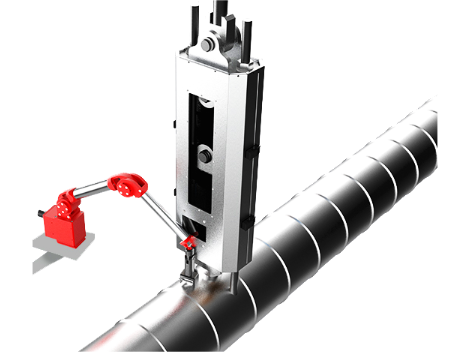
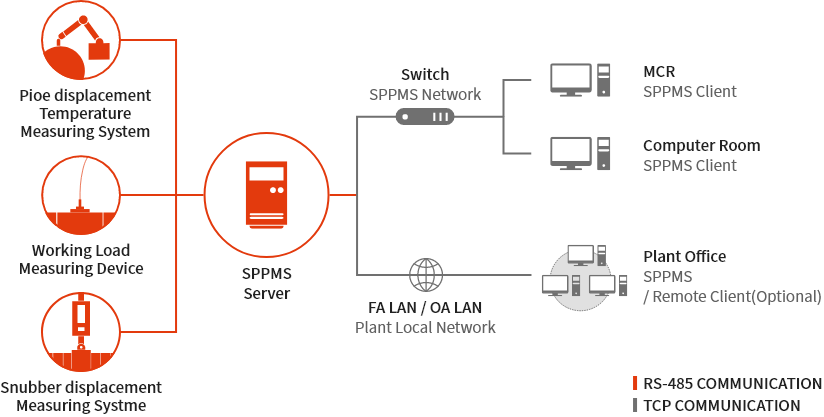
SPPMS monitors the condition of pipes in real time, which comprises a '3D pipe displacement measuring device' measuring realtime 3D movements of power piping, a 'Temperature monitoring sensor' sensing the temperature, and an 'Applied load measuring device' measuring the self-weight and load; and puts forth a holistic set of data on the condition of the piping system, which can be comprehensively assessed and interpreted to predict and prevent potential pipe accidents proactively.
The Need
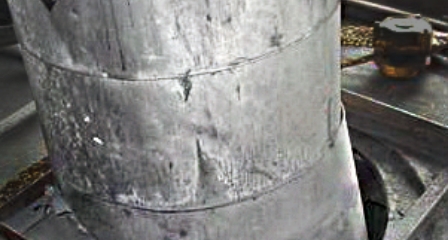
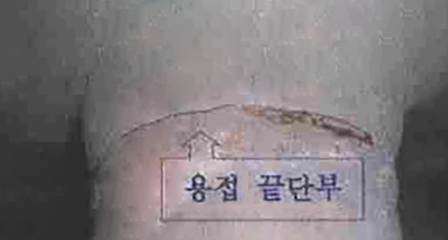
The pressing need for systematic piping management: Pipes for power generation are susceptible to material degradation and mechanical degradation & deformation due to harsh operating conditions in which they are used for long periods of time under high temperatures/pressures. In addition, thermal expansions & contractions, resulting from frequent vibrations and repetitive startups & shutdowns, cause interference in or restraint on, and stress concentration on pipes; furthermore, they may lead to turbine vibration and damage to super-heater connections.
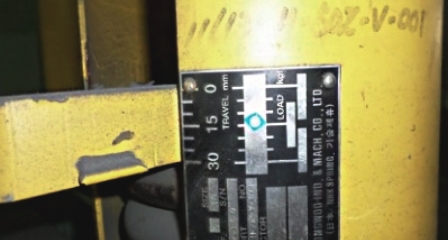
Unavailability to trace 3D displacement: Even today, the piping management system by individual power plants remains limited to retaining records only of hanger indicator travels before and after overhaul, leaving 3D displacement movement that occurs in pipes during operation entirely unmeasurable and untraceable. Likewise, plants have relied solely on short-term reactive maintenance practices so far, making it impossible to map out fundamental proactive measures.
Economic losses sustained due to pipe damage: Since pipes are installed geometrically in a 3D configuration, they are liable to go through unexpected damages like cracks and ruptures, in the case that they fail to expand to the extent of the design, or they expand over the extent, due to malfunctioning of pipe supporting devices, interferences with surrounding structures, errors in pipe design, or similar issues. Such damage happens to give rise to sudden plant trips and the subsequent need for repairs, incurring huge socio-economic losses therewith.
The Necessity of monitoring the displacement and working load of pipe supporting devices: In every power plant, a large number of pipe supporting devices, such as hangers and snubbers, are put in for the purpose of supporting the self-weight and thermal expansion load of the pipes. However, it may happen more often to overlook the crucial timing of essential maintenance for these supporting devices because it is not easy to determine the appropriate maintenance and repair intervals intuitively.
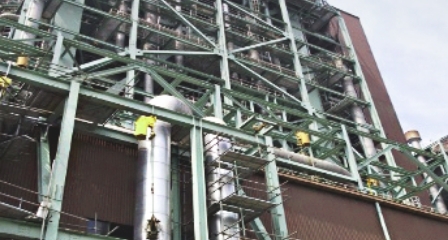
Obstruction to the inspection of pipe supporting devices at heights and Exposure to safety accidents thereon: Since most pipe supporting devices are put up in hazardous areas at high elevations or in high-temperature environments, physical access is severely restricted, making detailed inspections unavailable while exposing workers to safety risks.
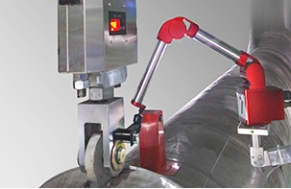
Venue Photo
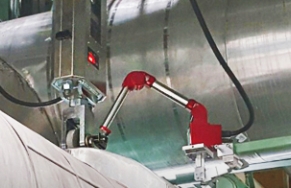
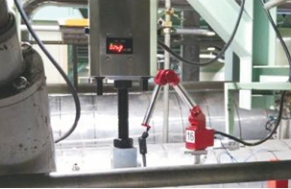
Smart Intelligence System
Featuring real-time remote monitoring against changes in 3D pipe behaviors, including pipe displacement, temperature variations, and load irregularities.
Pipe Integrity and Safety securedBy way of a comparative analysis between the original design value set (design displacement) and the displacement resulting from the operation (operation displacement), pipe accidents can be predicted, whereupon the measures required for such piping can be taken promptly so that the integrity and safety of the piping can be maintained.
Working At Height [WAH] avoidedMost pipe supporting devices are situated in hazardous areas such as high places and high temperature/pressure environments, which makes them difficult to access. Introducing SPPMS for remote monitoring can prevent safety accidents proactively.
Usable as basic data for analyzing causes of pipe stress and damageData collected in real time by SPPMS for diagnosing the condition of piping can be effectively utilized as basic data for predicting and identifying the causes of overall pipe stress and damage.
Product Diagram
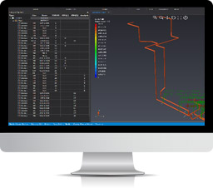
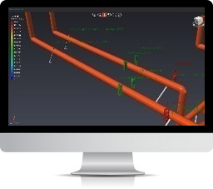
SPPMS Management Programs
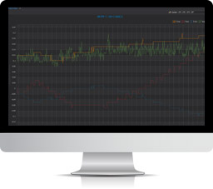
| Field | Description |
|---|---|
| Pipe information management | Pipe-related information management and querying |
| Realtime pipe monitoring | Realtime data retrieval and alarming |
| Realtime data and trends querying | |
| Realtime hanger load monitoring | Realtime data retrieval and alarming |
| Realtime data and trends querying | |
| Realtime snubber displacement monitoring | Realtime data retrieval and alarming |
| Realtime data and trends querying | |
| Pipe life assessment management | Pipe stress component querying |
| Realtime fatigue life and creep life querying |
Furnishing customized services, with the products and solutions to suit specific client requirements
Certificate & Patent
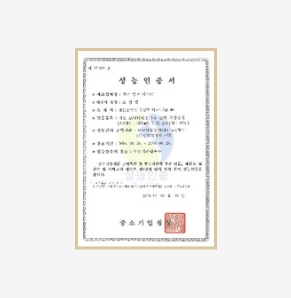
Pipe monitoring, Tri-axial Displacement measuring device
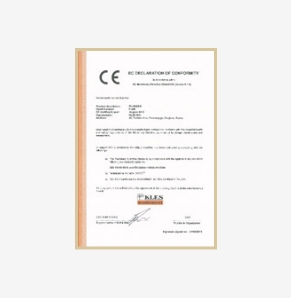
PLUMBER _3D Displacement measuring device
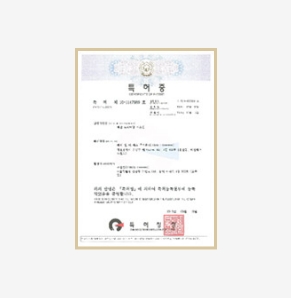
Pipe monitoring system
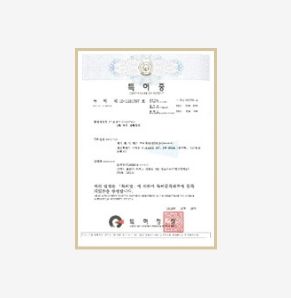
Tri-axial Displacement measuring device
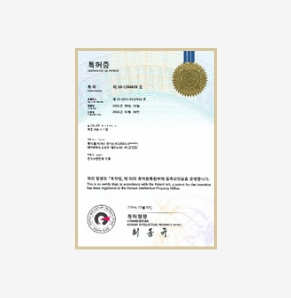
Load measuring system
Track Records

- KOEN – Yeongdong #2

- Gangneung Eco Power

- GGP - Goseong Hai pp. #1,2
- KOSPO - Samcheok pp. #2

- KOEN - Yeongdong pp. #1
- KHNP – Shin-Hanul pp. #1

- KOMIPO - Boryeong pp. #7,8

- KOEN - Yeosu pp. #1
- Malaysia | TNB Research - Janamanjung pp. #2

- KOSPO - Hadong pp. #1
- Hyundai Engineering / Doosan Enerbility - Yeongheung pp. #5,6
- POSCO E&C - Ansan pp.

- KOEN - Samcheonpo pp. #3
- KOWEPO - Taean pp. #3
- KOMIPO - Boryeong pp. #4

- KOEN - Yeogheung pp. $1~4
KOEN - Samcheonpo pp. #1,5
KOEN - Yeosu pp. #2 - KOMIPO - Boryeong pp. #4

- KOEN - Yeongdong pp. #2
KOEN - Samcheonpo pp. #1~4

- Malaysia | TNB Research - Janamanjung pp. #3